
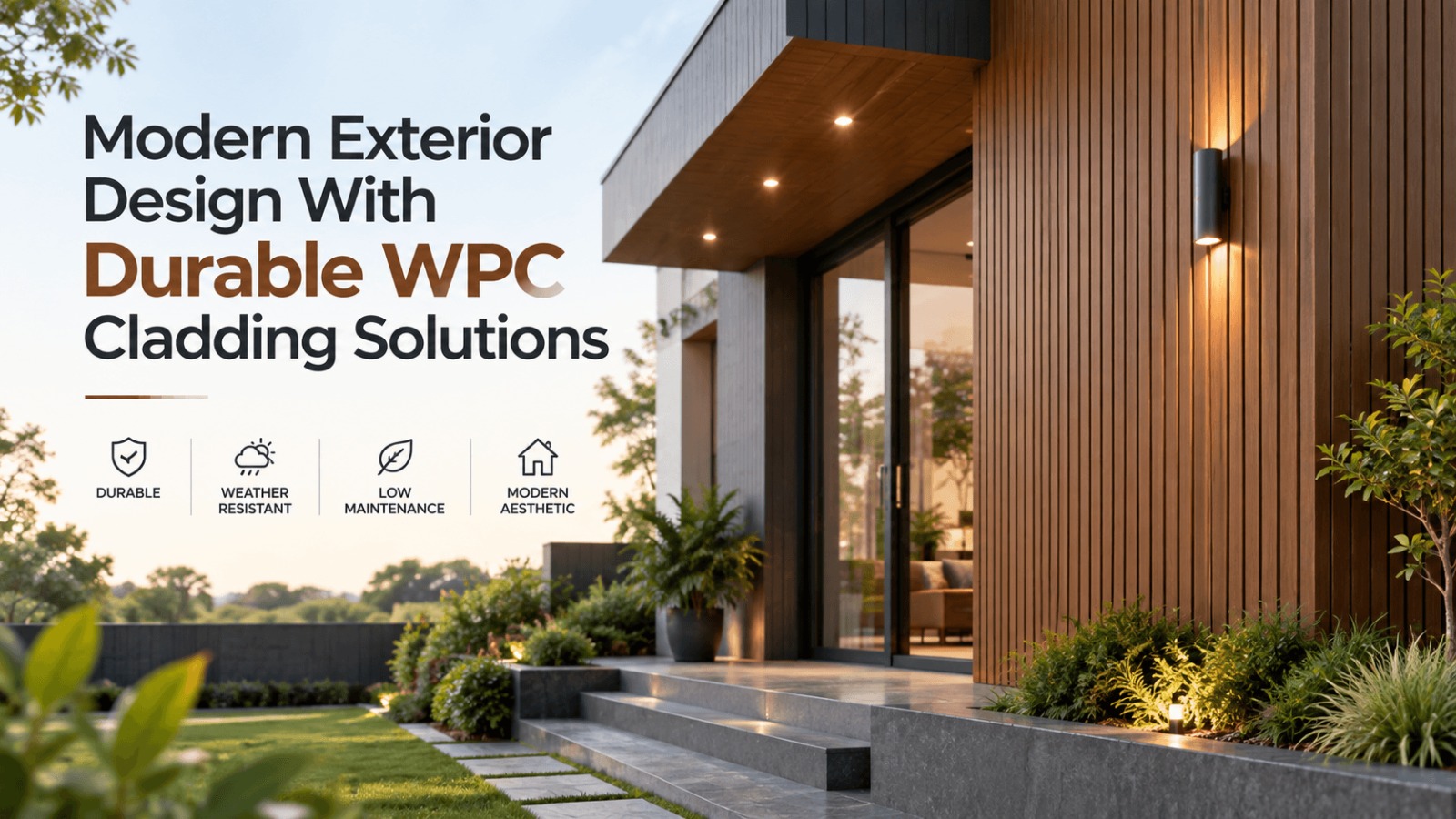
Modern Exterior Design With Durable WPC Cladding Solutions
Exterior walls have an important role in protecting buildings from environmental exposure while contributing to their overall appearance. Modern construction increasingly focuses on materials that combine visual appeal, durability, and practical maintenance requirements. WPC cladding offers an option for creating contemporary exterior surfaces with a wood-inspired appearance and useful performance characteristics. Its combination of wood-based components and polymer materials can provide a consistent finish while supporting applications across residential, commercial, and architectural projects. Understanding material properties, installation requirements, design considerations, and maintenance practices helps users make informed decisions for exterior wall projects.
Understanding WPC Exterior Wall Cladding
Exterior cladding serves several purposes beyond improving the appearance of a building. It can create a protective surface over walls while helping establish a consistent architectural style. When evaluating wpc exterior wall cladding, users should consider the building's design, environmental exposure, installation method, and expected service requirements.
Important characteristics to evaluate include:
- Surface texture and finish
- Material composition
- Moisture resistance
- Resistance to environmental exposure
- Installation requirements
- Structural support
- Cleaning and maintenance needs
The selected system should be compatible with the wall structure and surrounding architectural elements. Proper planning can also help maintain alignment and reduce material wastage during installation.
| Evaluation Factor | Practical Importance |
|---|---|
| Material composition | Influences durability and performance |
| Surface finish | Determines visual appearance |
| Board dimensions | Affects layout and installation |
| Moisture exposure | Helps determine material suitability |
| Support structure | Provides stability |
| Maintenance | Influences long term upkeep |
Considering these factors before installation helps ensure that the chosen cladding system meets both functional and aesthetic expectations.
Design Possibilities for Contemporary Buildings
Exterior cladding can significantly influence the character of a building. Different textures, patterns, orientations, and finishes can be used to create distinctive architectural effects.
Common design approaches include:
- Horizontal panel arrangements
- Vertical installations
- Feature walls
- Contrasting facade sections
- Entrance highlights
- Balcony and terrace applications
- Decorative architectural elements
The choice of orientation can influence how a building's proportions are perceived. Vertical arrangements may create an impression of greater height, while horizontal layouts can emphasize width. Combining complementary materials can also create visual contrast without making the facade appear overly complex.
Applications Across Residential and Commercial Projects
Cladding systems can be adapted to various building types depending on their structural requirements and intended appearance. Residential projects may use them to create feature facades, balcony accents, or contemporary exterior finishes. Commercial properties may incorporate cladding into entrances, reception areas, or prominent architectural sections.
Potential applications include:
- Residential buildings
- Villas and apartments
- Office buildings
- Retail properties
- Hospitality facilities
- Restaurants
- Institutional buildings
- Outdoor feature structures
Each project should be assessed individually because exposure to sunlight, rainfall, humidity, temperature changes, and foot traffic can differ considerably between locations.
Planning WPC Cladding Exterior Installations
Successful installation requires careful attention to the existing wall structure, measurements, ventilation, and supporting framework. Proper preparation helps maintain panel alignment and supports long term performance. For any wpc cladding exterior application, installers should assess the substrate and determine the appropriate fixing method before beginning the work.
Important installation considerations include:
- Measure the installation area accurately.
- Inspect the supporting wall before installation.
- Establish a suitable framework where required.
- Maintain consistent spacing between panels.
- Account for expansion and contraction.
- Ensure appropriate drainage and ventilation.
- Inspect alignment throughout installation.
Incorrect preparation can lead to uneven surfaces, movement, or unnecessary material wastage. Accurate planning therefore plays an important role in achieving a professional finished appearance.
Maintenance and Long Term Performance
Regular maintenance can help preserve the appearance and performance of exterior cladding. Although composite materials can offer practical maintenance advantages, they still require periodic attention, particularly in areas exposed to dust, pollution, moisture, and other environmental conditions.
Recommended maintenance practices include:
- Remove accumulated dust and debris regularly.
- Clean surfaces using suitable methods.
- Address spills or stains promptly.
- Inspect fixing points periodically.
- Check joints and edges for movement.
- Examine areas exposed to persistent moisture.
- Repair damaged sections when necessary.
Routine inspection makes it easier to identify minor issues before they become more extensive. Cleaning methods should be appropriate for the specific surface finish to avoid unnecessary damage.
Conclusion
Selecting an exterior wall finishing system requires careful evaluation of material characteristics, architectural requirements, environmental conditions, installation methods, and maintenance needs. A considered approach can help create a durable and visually consistent facade while reducing avoidable installation and upkeep concerns. When assessing suppliers, users can evaluate technical capabilities and product suitability before selecting a wpc manufacturer in ahmedabad. woodalt can be considered alongside project specific requirements when planning exterior surfaces that balance contemporary appearance with practical performance.
← Back to Blogs