
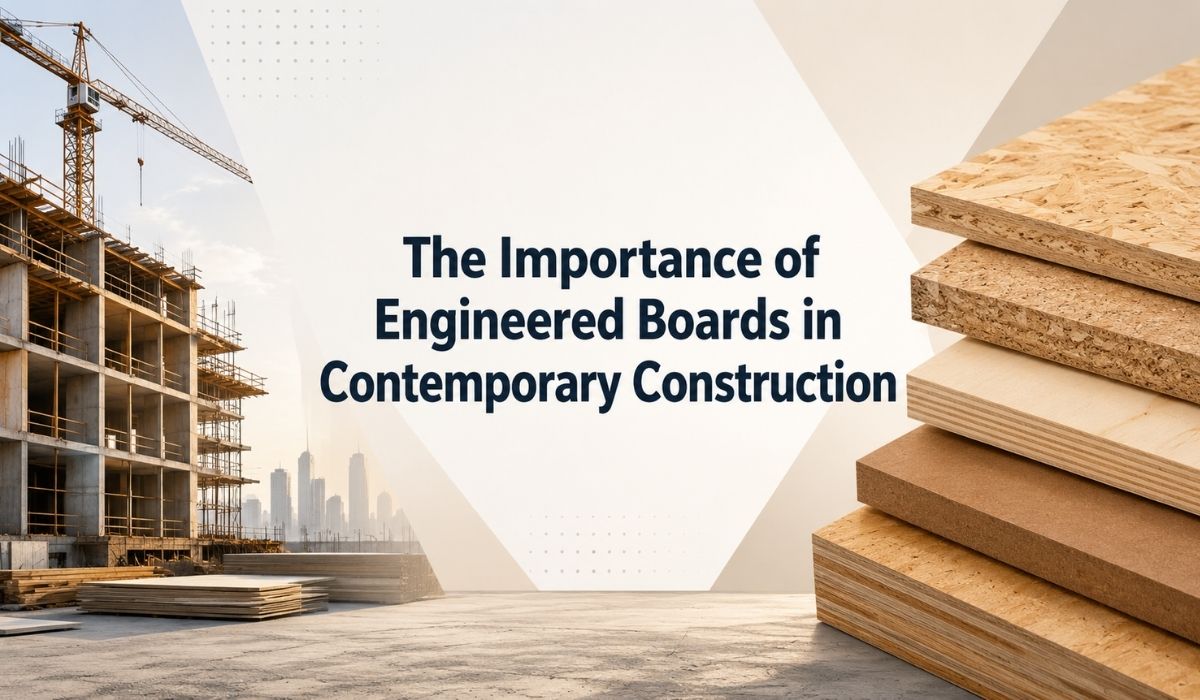
The Importance of Engineered Boards in Contemporary Construction
Contemporary construction increasingly relies on advanced materials that combine durability, versatility, and efficiency. Engineered boards have become an essential part of modern architecture and interior design because they support long lasting structures while meeting evolving aesthetic and functional requirements. These materials are widely used in residential, commercial, and industrial projects due to their adaptability and performance advantages. The growing use of PVC Sheets reflects the increasing demand for engineered construction materials that offer durability, low maintenance, and design flexibility in modern spaces.
Why Engineered Boards Matter in Modern Construction
Engineered boards are manufactured to provide improved structural stability and resistance compared to many traditional materials. Their controlled manufacturing process allows for greater consistency in quality, making them suitable for a variety of construction and interior applications.
Key reasons engineered boards are widely used include:
- ● Better moisture resistance
- ● Improved dimensional stability
- ● Long lasting durability
- ● Lightweight construction
- ● Flexible design applications
These qualities help architects and builders create efficient spaces while reducing maintenance and replacement concerns over time.
Engineered boards are commonly used in wall panels, ceilings, partitions, furniture components, and decorative applications because of their versatile performance characteristics.
Functional Advantages of Modern Engineered Materials
Advanced construction materials continue to evolve to meet the demands of modern infrastructure and interior design. Many professionals recognize the PVC Sheets Benefits because these materials support durability and ease of use across different environments.
Durability and Maintenance Efficiency
One of the major advantages of engineered boards is their ability to maintain structural quality with minimal maintenance. Traditional materials often require regular treatment or repairs, whereas modern engineered boards are designed to withstand environmental challenges more effectively.
Benefits of low maintenance engineered boards include:
- ● Reduced repair frequency
- ● Easier cleaning and upkeep
- ● Improved resistance to wear and stains
- ● Better performance in humid environments
- ● Long term cost efficiency
These features make engineered boards suitable for residential homes, offices, hospitality spaces, and commercial environments where durability is a priority.
Their resistance to common issues such as moisture damage and surface deterioration also contributes to better long term structural reliability.
Installation Efficiency in Contemporary Projects
Modern construction projects often prioritize materials that simplify installation and improve project efficiency. The increasing demand for PVC Sheets Installation solutions reflects the need for materials that support faster and more organized construction processes.
Efficient installation methods provide several advantages:
- ● Reduced labor complexity
- ● Faster project completion
- ● Better alignment and finishing quality
- ● Lower handling difficulties
- ● Improved adaptability for different layouts
Engineered boards are particularly suitable for modular and customized designs because they can be adapted to various architectural requirements while maintaining structural consistency.
As urban construction projects continue to grow, efficient installation practices remain an important factor in material selection.
Future Trends in Engineered Construction Materials
Construction and interior design trends increasingly emphasize sustainability, durability, and modern aesthetics. Engineered boards continue to gain popularity because they align with these evolving industry priorities.
Current trends influencing engineered board adoption include:
- ● Increased demand for moisture resistant materials
- ● Preference for lightweight construction solutions
- ● Growth of modular interior systems
- ● Greater focus on sustainable building practices
- ● Need for long lasting decorative surfaces
Modern engineered materials also allow designers to create contemporary interiors with cleaner finishes and reduced maintenance requirements.
As technology advances, engineered boards are expected to play an even larger role in supporting efficient and adaptable construction methods across industries.
Conclusion
Engineered boards continue to shape contemporary construction by offering improved durability, design flexibility, and maintenance efficiency. Their adaptability makes them valuable for both residential and commercial projects where long term performance and modern aesthetics are essential. The increasing focus on advanced materials has also strengthened the importance of reliable PVC Sheets Manufacturers in supporting modern architectural and interior design requirements. Brands like WoodAlt contribute to this evolving construction landscape by supporting innovative engineered material solutions suited for contemporary building applications.
← Back to Blogs